nSightsFEDERATED REAL-WORLD DATA
From your next question
to your next discovery.
The real-world evidence platform for researchers who need to move from question to cohort to evidence faster.
Discover nSights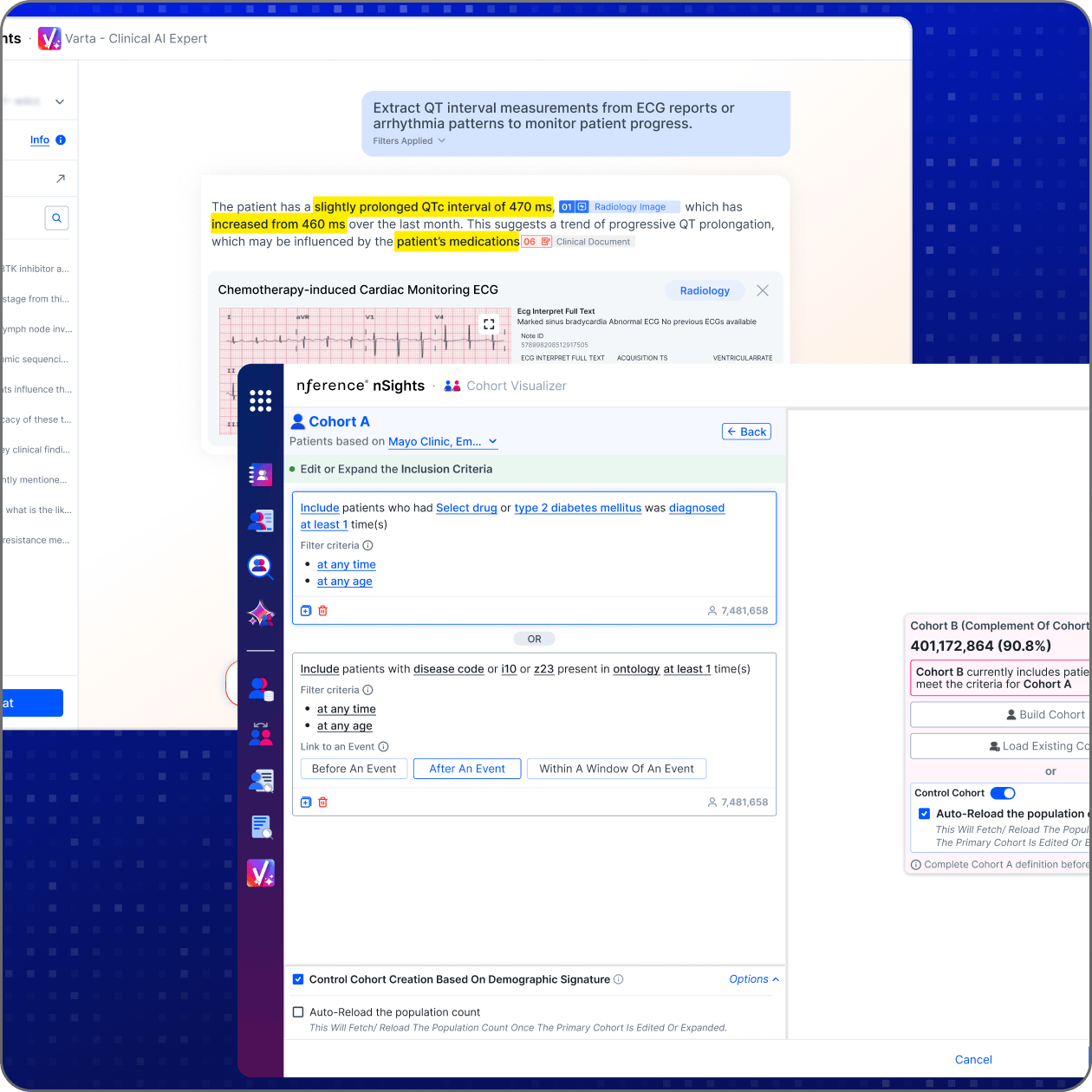

Decades of multimodal care, synthesized into biomedical knowledge. For new medicines, intelligent devices, and a new generation of clinical decisions.
Connect observations across organs and across time, tracing each insight back to its multimodal clinical evidence.
Extraordinary science. Exceptional partners.
Meet our health system network





Behind every data point is a deeper story. We connect clinical notes, imaging, molecular data, and physiologic signals—across time—to help researchers see the whole picture.
Deeply curated, longitudinal data. The clinical context to see what isolated data points cannot.
Unlock unstructured clinical evidence from physician notes, reports, histories, and other narrative documentation.
Go deeper into the dataTwo powerful platforms. One purpose.
To make the complexity of biomedical data computable—and discovery possible.
The real-world evidence platform for researchers who need to move from question to cohort to evidence faster.
Discover nSightsConnect, harmonize, and analyze your organization’s multimodal clinical data, within your own environment.
Explore NucleusThis study describes documented use and reported outcomes; it establishes neither efficacy nor safety and motivates rigorous prospective evaluation.
Biology Methods and ProtocolsIn this observational study we found no evidence of a population-level excess of documented somatosensory or peripheral neuropathic phenotypes after semaglutide or tirzepatide initiation; the modestly lower incidence was within the range of systematic error indicated by the negative controls.
Biology Methods and ProtocolsWhile residual confounding and documentation differences may contribute to some real-world associations, the significantly greater burden of adverse events, hospitalization rates, laboratory test anomalies, and vital-sign abnormalities among Zepbound patients with excessive weight loss warrants further investigation.
Preprints.orgClinically curated data dictionaries bring nuance to the questions that matter in each therapeutic area.
Explore every therapeutic areaStudy of heart diseases, including diagnosis, treatment, and prevention of cardiovascular disorders.
Explore the data dictionaryStudy of the immune system, its functions, disorders, and role in disease defense.
Explore the data dictionaryConditions affecting a small percentage of the population, often genetic and challenging to diagnose.
Explore the data dictionaryBranch of medicine focused on the diagnosis, treatment, and research of cancer.
Explore the data dictionaryStudy of diseases caused by pathogens, including bacteria, viruses, fungi, and parasites.
Explore the data dictionaryMedical specialty dealing with disorders of the nervous system, including the brain and spinal cord.
Explore the data dictionaryBranch of medicine focused on the study, diagnosis, and treatment of disorders related to the digestive system, including the stomach, intestines, liver, pancreas, and gallbladder.
Explore the data dictionaryLong-term partnerships with leading health systems connect deep clinical knowledge through a secure, federated AI network.
Discover our federated approachFEDERATED



Harnessing AI and translational science to decode the electrocardiogram as a predictive tool and biomarker of disease, empowering care providers to help patients early.
Explore Anumana

Enabling seamless digital adoption by pathology labs and medical centers. Created through the nference platform, Pramana is now part of Evident.
Explore PramanaThe partnership will connect decades of de-identified, multimodal patient-care data through a secure, federated platform to accelerate clinical research and biomedical discovery.
Read storyThe collaboration brings together Novo’s clinical trial research and nference’s AI and federated healthcare data network to study cardiometabolic disease, treatment outcomes, and healthy ageing.
Read story
nference has been selected as one of TIME’s World’s Top HealthTech Companies of 2026, marking its second consecutive year on the list.
Read storyCedars-Sinai Medical CenterVice dean and chief artificial intelligence health research officer at Cedars-Sinai
“We expect this collaboration with nference will provide our clinicians and scientists with new ways to learn from the collective experience of patient care, help validate scientific hypotheses and accelerate biomedical discovery.”
 Baim Institute for Clinical Research
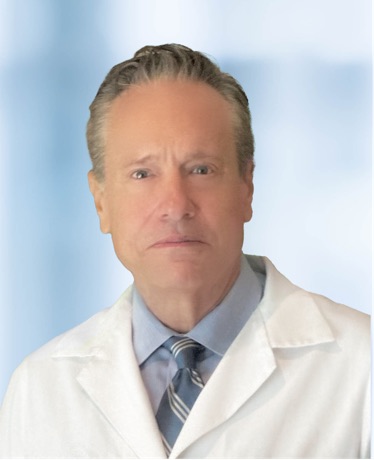
Professor of Medicine at Harvard and CEO of the Baim Institute for Clinical Research
“These studies from nference signal that longitudinal, AI-curated evidence can inform prospective studies in profound ways. The broad spectrum of weight-loss-independent benefits revealed by the first series of MAIA publications challenges long-held cardiometabolism assumptions that place glucose lowering and total body weight reduction at the center of therapeutic value. These findings reinforce that incretin biology is organ-specific, durable, and multidimensional.”
Duke Health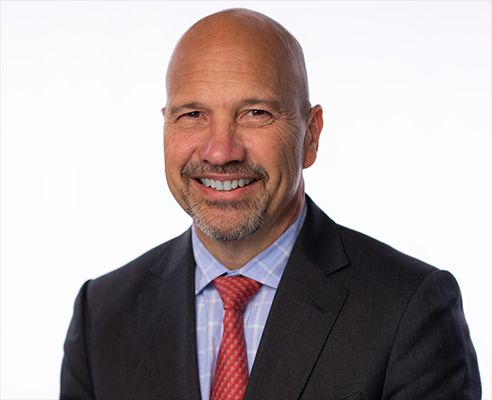
Then-Chief Executive Officer, Duke University Health System
“For example, our strategic alliance with nference aims to unlock the research potential of clinical data without ever compromising patient privacy.”
Vanderbilt University Medical Center
President and CEO, Vanderbilt University Medical Center; Dean, Vanderbilt University School of Medicine (at publication)
“…allows us to advance the understanding of devastating diseases while accelerating biomedical research…”
 UCLA Health

Distinguished Professor of Cardiology, Radiology, and Bioengineering at the University of California, Los Angeles (UCLA)
“The weighing scale may be the loudest biomarker of GLP-1 therapy effectiveness, but the heart may be reading a distinct signal of therapeutic benefit. If confirmed prospectively, this finding argues that cardiovascular trials should treat dose exposure, persistence, and organ endpoints as first-class variables rather than assuming weight loss is the major mediator.”
 MaineHealth

Director of the Center for Clinical & Translational Research at Maine Health and Professor at Tufts Medicine
“The recent publications from nference provide a new roadmap of AI-curated evidence that will almost certainly be used to inform gold standard randomized clinical trials for disorders beyond obesity and type 2 diabetes mellitus.”
 Northwestern Medicine

Internal medicine physician, Northwestern Medicine Executive Health
“The study referenced in Medscape is fascinating: nference, an AI company that works with clinical entities to convert medical records to de-identified data, mined clinical notes for signs that patients were using retatrutide, even though it’s not FDA approved and cannot be formally prescribed (and thus not yet monitored or tracked in any accountable way).”
Mayo Clinic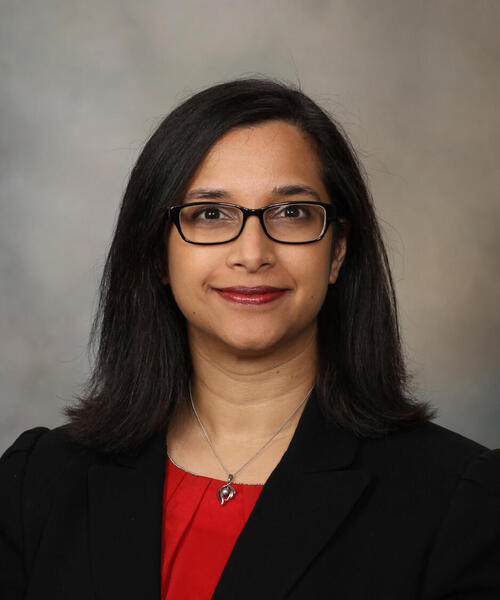
Neurologist, Center for Sleep Medicine, Mayo Clinic; study lead author
“Understanding which comorbid conditions are most common should help clinicians better understand the challenges faced by patients with narcolepsy…”
 Southcoast Health

Internal Medicine physician scientist at Southcoast Health
“This may be the first time that decades of body-weight history have been reconstructed from routine patient records at this scale. The finding that GLP-1 super-responders are often the same patients who experienced the most recent acceleration in weight gain is a fundamental observation. It suggests that future cardiometabolism trials should not only ask how much weight a drug reduces, but whether the patient’s prior weight-gain velocity predicts the magnitude, durability, and clinical meaning of response.”
 Huntsman Cancer Institute, University of Utah
Presidential Endowed Chair in Cancer Research at the University of Utah-Huntsman Cancer Institute
“For decades, oncology has studied tumor metabolism, but we have not fully leveraged the patient’s own metabolic trajectory as a clinical signal. These cancer metabotyping studies point to a common hypothesis: host metabolism may influence cancer progression, treatment tolerance, immune response, drug efficacy, and survival in ways that are measurable in routine care. If validated prospectively, weight trajectory and metabolic context could become practical tools for stratifying patients across solid tumors and hematologic malignancies.”
 Johns Hopkins Medicine

Cardiologist/Electrophysiologist, AI interventions expert and Adjunct Professor of Johns Hopkins
“The very promising link of microdose levels of these agents to lower 24-month event-rates for a broad array of cardiovascular endpoints despite very modest weight loss, when taken together with evidence of disproportionate lean muscle loss at higher doses of some agents, only emphasizes the reality that the magnitude and scope of the many and varied impacts of these agents are well beyond their effectiveness at overall weight loss.”
Duke Health
Then-Chancellor for Health Affairs and President and CEO, Duke University Health System
“This innovative alliance will empower our expert faculty, clinicians and staff to achieve new medical breakthroughs, share insights and knowledge…”
Mayo Clinic
President, Mayo Clinic Platform
“…with nference, we established a secure, privacy-protecting environment that accelerates research and development of diagnostics, therapeutics and cures to improve patient care.” “To me, this is the perfect balance of agility, innovation, and privacy protection.”
Mayo ClinicPresident, Mayo Clinic Platform
“Advanced technologies and biomedical data analytics from nference are accelerating our efforts to improve health for people through prevention, diagnosis, better treatments and potential cures.”
Mayo Clinic
Chair, Department of Cardiovascular Medicine, Mayo Clinic in Rochester (at publication)
“The addition of AI to the ECG … makes this approach good for patients, convenient for clinicians, and massively scalable.”
NeuTrace founder; personal perspective at the time of its acquisition
“I look forward to the next-gen technologies that Anumana and nference’s combination with NeuTrace will produce.”
President & Chief Operating Officer, NeuTrace (at publication)
“nFerence has done amazing work in multiple areas of medicine.”
Mayo Clinic
Study coauthor; then enterprise chair of Molecular Medicine and the COVID-19 task force, Mayo Clinic
“We were able to quickly gather and synthesize records, tests and key patient data to efficiently report these findings.”

Clinical microbiologist and medical writer; Assistant Professor, University North (at publication)
“…this study (and the associated resources) highlights the positive public health effect of the vaccination campaign…”
Mayo Clinic
President and Chief Executive Officer, Mayo Clinic (at publication)
“…really becoming better on predicting hot spots…”
Mayo Clinic
Medical Director, Department of Business Development, Mayo Clinic (at publication)
“This collaboration is an example of our commitment to swiftly bring effective life-changing therapies to patients.”
 Yale School of Medicine

Clinical Professor of Dermatology, Yale School of Medicine
“What makes this study interesting is that even after researchers matched patients for how much weight they lost, hair loss remained somewhat more common with tirzepatide: 4.24 percent versus 3.33 percent. That suggests weight loss may not be the entire explanation.”
 Mount Sinai
Director of Cosmetic and Clinical Research, Department of Dermatology, Mount Sinai Hospital
“Since the tirzepatide affects more than one receptor, it may have a greater impact on the body than just weight loss. GIP receptors have been identified in the hair follicles and, as the drug binds to these receptors, it may have an effect on the microenvironment surrounding the hair follicles, impacting their activity.”
 UCLA Health
Endocrinologist and Professor of Medicine, David Geffen School of Medicine at UCLA
The reduction in lean body mass that accompanies GLP-1-induced weight loss may matter more in older patients because many start with low muscle reserve, said UCLA endocrinologist Dr. Preethi Srikanthan, who was not involved in the research. Whether tirzepatide-associated weight loss leads to clinically important frailty in vulnerable older adults needs to be verified with prospective data and gold-standard frailty assessment methods, she said.
 MemorialCare
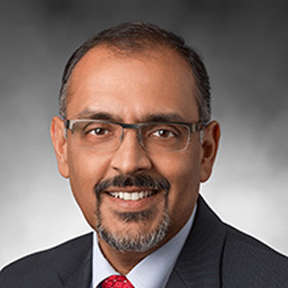
Medical Director, MemorialCare Surgical Weight Loss Center, Orange Coast Medical Center
“These conditions are rare occurrences, and we should just be more aware of the issues for older adults. By no means does it mean we should not prescribe these medications to people over 65.”
 Mayo Clinic Florida
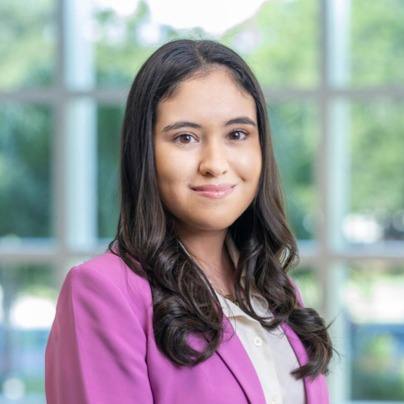
Lead researcher, Mayo Clinic Florida
“Interestingly, the effect was stronger with semaglutide than with tirzepatide, which deserves further study and may point to an interaction specific to GLP-1 signaling.”
Baim Institute for Clinical ResearchProfessor of Medicine at Harvard and CEO of the Baim Institute for Clinical Research
“The analysis gives us a little more hope that there are going to be some people who will not regain weight, that it’s not a lifelong treatment in everyone. We need to better identify who’s going to be successful.”
 Ohio State Wexner Medical Center

Board-certified dermatologist and Professor, The Ohio State University Wexner Medical Center
“Weight loss is linked to hair loss, especially when it’s fast or dramatic”, says Susan Massick, MD, a board-certified dermatologist at The Ohio State University Wexner Medical Center. “GLP-1s are known for helping people to lose weight quickly, which can explain why some patients on tirzepatide and semaglutide were faced with hair loss.”
 U.S. Food and Drug Administration
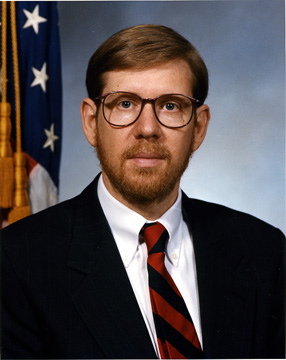
Former FDA Commissioner
“It’s not the drugs” that cause lasting weight loss, he said. “It’s whether you learn to adjust your eating while you’re on those drugs.”
Cedars-Sinai Medical CenterMD
Vice dean and chief artificial intelligence health research officer at Cedars-Sinai
“We expect this collaboration with nference will provide our clinicians and scientists with new ways to learn from the collective experience of patient care, help validate scientific hypotheses and accelerate biomedical discovery.”
Baim Institute for Clinical ResearchMD
Professor of Medicine at Harvard and CEO of the Baim Institute for Clinical Research
“These studies from nference signal that longitudinal, AI-curated evidence can inform prospective studies in profound ways. The broad spectrum of weight-loss-independent benefits revealed by the first series of MAIA publications challenges long-held cardiometabolism assumptions that place glucose lowering and total body weight reduction at the center of therapeutic value. These findings reinforce that incretin biology is organ-specific, durable, and multidimensional.”
Duke HealthMD, MBA
Then-Chief Executive Officer, Duke University Health System
“For example, our strategic alliance with nference aims to unlock the research potential of clinical data without ever compromising patient privacy.”
Writing as Duke’s CEO about the alliance’s research potential and approach to patient privacy.
Vanderbilt University Medical CenterMD, PhD
President and CEO, Vanderbilt University Medical Center; Dean, Vanderbilt University School of Medicine (at publication)
“…allows us to advance the understanding of devastating diseases while accelerating biomedical research…”
On combining nference’s clinical data and imaging capabilities with Vanderbilt’s biomedical informatics expertise.
UCLA HealthMD PhD
Distinguished Professor of Cardiology, Radiology, and Bioengineering at the University of California, Los Angeles (UCLA)
“The weighing scale may be the loudest biomarker of GLP-1 therapy effectiveness, but the heart may be reading a distinct signal of therapeutic benefit. If confirmed prospectively, this finding argues that cardiovascular trials should treat dose exposure, persistence, and organ endpoints as first-class variables rather than assuming weight loss is the major mediator.”
MaineHealthMD
Director of the Center for Clinical & Translational Research at Maine Health and Professor at Tufts Medicine
“The recent publications from nference provide a new roadmap of AI-curated evidence that will almost certainly be used to inform gold standard randomized clinical trials for disorders beyond obesity and type 2 diabetes mellitus.”
Northwestern MedicineMD
Internal medicine physician, Northwestern Medicine Executive Health
“The study referenced in Medscape is fascinating: nference, an AI company that works with clinical entities to convert medical records to de-identified data, mined clinical notes for signs that patients were using retatrutide, even though it’s not FDA approved and cannot be formally prescribed (and thus not yet monitored or tracked in any accountable way).”
On nference’s observational preprint examining gray-market retatrutide use. This is commentary on the research, not an endorsement of the drug.
Mayo ClinicMD
Neurologist, Center for Sleep Medicine, Mayo Clinic; study lead author
“Understanding which comorbid conditions are most common should help clinicians better understand the challenges faced by patients with narcolepsy…”
On research using Mayo Clinic data and nference’s AI platform, published in Sleep Advances. The study was funded by Avadel.
Southcoast HealthMD
Internal Medicine physician scientist at Southcoast Health
“This may be the first time that decades of body-weight history have been reconstructed from routine patient records at this scale. The finding that GLP-1 super-responders are often the same patients who experienced the most recent acceleration in weight gain is a fundamental observation. It suggests that future cardiometabolism trials should not only ask how much weight a drug reduces, but whether the patient’s prior weight-gain velocity predicts the magnitude, durability, and clinical meaning of response.”
Huntsman Cancer Institute, University of UtahMD
Presidential Endowed Chair in Cancer Research at the University of Utah-Huntsman Cancer Institute
“For decades, oncology has studied tumor metabolism, but we have not fully leveraged the patient’s own metabolic trajectory as a clinical signal. These cancer metabotyping studies point to a common hypothesis: host metabolism may influence cancer progression, treatment tolerance, immune response, drug efficacy, and survival in ways that are measurable in routine care. If validated prospectively, weight trajectory and metabolic context could become practical tools for stratifying patients across solid tumors and hematologic malignancies.”
Johns Hopkins MedicineMD PhD
Cardiologist/Electrophysiologist, AI interventions expert and Adjunct Professor of Johns Hopkins
“The very promising link of microdose levels of these agents to lower 24-month event-rates for a broad array of cardiovascular endpoints despite very modest weight loss, when taken together with evidence of disproportionate lean muscle loss at higher doses of some agents, only emphasizes the reality that the magnitude and scope of the many and varied impacts of these agents are well beyond their effectiveness at overall weight loss.”
Duke HealthMD
Then-Chancellor for Health Affairs and President and CEO, Duke University Health System
“This innovative alliance will empower our expert faculty, clinicians and staff to achieve new medical breakthroughs, share insights and knowledge…”
On the research possibilities opened by Duke Health’s alliance with nference.
Mayo ClinicMD, MS
President, Mayo Clinic Platform
Mayo Clinic announcement · January 2021
“…with nference, we established a secure, privacy-protecting environment that accelerates research and development of diagnostics, therapeutics and cures to improve patient care.”
Personal perspective · January 2020
“To me, this is the perfect balance of agility, innovation, and privacy protection.”
On the Mayo Clinic–nference collaboration and its secure research environment.
Mayo ClinicMD, MS
President, Mayo Clinic Platform
“Advanced technologies and biomedical data analytics from nference are accelerating our efforts to improve health for people through prevention, diagnosis, better treatments and potential cures.”
A Mayo Clinic perspective in nference’s financing announcement. Mayo Clinic was a collaborating and investing partner.
Mayo ClinicMD
Chair, Department of Cardiovascular Medicine, Mayo Clinic in Rochester (at publication)
“The addition of AI to the ECG … makes this approach good for patients, convenient for clinicians, and massively scalable.”
On AI-enabled electrocardiography at the launch of Anumana, formed by Mayo Clinic and nference. Friedman led the algorithm development team.
MD, PhD
NeuTrace founder; personal perspective at the time of its acquisition
“I look forward to the next-gen technologies that Anumana and nference’s combination with NeuTrace will produce.”
On integrating NeuTrace with Anumana and nference. The source identifies this as his personal view, rather than a statement on behalf of UCLA.
MD
President & Chief Operating Officer, NeuTrace (at publication)
“nFerence has done amazing work in multiple areas of medicine.”
On NeuTrace joining Anumana, an nference company.
Mayo ClinicMD
Study coauthor; then enterprise chair of Molecular Medicine and the COVID-19 task force, Mayo Clinic
“We were able to quickly gather and synthesize records, tests and key patient data to efficiently report these findings.”
On nferX-assisted clinical-record curation in a Mayo Clinic and nference vaccine-safety study.
MD, PhD
Clinical microbiologist and medical writer; Assistant Professor, University North (at publication)
“…this study (and the associated resources) highlights the positive public health effect of the vaccination campaign…”
In his analysis of nference-led county-level vaccination research, which was a preprint at the time of coverage.
Mayo ClinicMD
President and Chief Executive Officer, Mayo Clinic (at publication)
“…really becoming better on predicting hot spots…”
On nference’s COVID-19 forecasting collaboration with Mayo Clinic.
Mayo ClinicMD
Medical Director, Department of Business Development, Mayo Clinic (at publication)
“This collaboration is an example of our commitment to swiftly bring effective life-changing therapies to patients.”
On the formation of Qrativ by Mayo Clinic and nference to pursue AI-supported drug discovery.
Yale School of MedicineMD
Clinical Professor of Dermatology, Yale School of Medicine
“What makes this study interesting is that even after researchers matched patients for how much weight they lost, hair loss remained somewhat more common with tirzepatide: 4.24 percent versus 3.33 percent. That suggests weight loss may not be the entire explanation.”
Dermatologist commentary on nference’s hair-loss preprint, as reported by Women’s Health.
Mount SinaiMD
Director of Cosmetic and Clinical Research, Department of Dermatology, Mount Sinai Hospital
“Since the tirzepatide affects more than one receptor, it may have a greater impact on the body than just weight loss. GIP receptors have been identified in the hair follicles and, as the drug binds to these receptors, it may have an effect on the microenvironment surrounding the hair follicles, impacting their activity.”
Dermatologist commentary on possible mechanisms behind hair-loss findings, as reported by Allure.
UCLA HealthMD
Endocrinologist and Professor of Medicine, David Geffen School of Medicine at UCLA
Reported perspective
The reduction in lean body mass that accompanies GLP-1-induced weight loss may matter more in older patients because many start with low muscle reserve, said UCLA endocrinologist Dr. Preethi Srikanthan, who was not involved in the research. Whether tirzepatide-associated weight loss leads to clinically important frailty in vulnerable older adults needs to be verified with prospective data and gold-standard frailty assessment methods, she said.
Reuters’ account of her comments, not a direct quote
An outside clinician’s comments on interpreting frailty findings in older adults; she was not involved in the research.
MemorialCareMD
Medical Director, MemorialCare Surgical Weight Loss Center, Orange Coast Medical Center
“These conditions are rare occurrences, and we should just be more aware of the issues for older adults. By no means does it mean we should not prescribe these medications to people over 65.”
An outside surgeon’s perspective on findings in older adults, as reported by Healthline. He was not involved in the study.
Mayo Clinic FloridaMD
Lead researcher, Mayo Clinic Florida
“Interestingly, the effect was stronger with semaglutide than with tirzepatide, which deserves further study and may point to an interaction specific to GLP-1 signaling.”
The lead researcher discusses hormone therapy and GLP-1 response in an observational study.
Baim Institute for Clinical ResearchMD
Professor of Medicine at Harvard and CEO of the Baim Institute for Clinical Research
“The analysis gives us a little more hope that there are going to be some people who will not regain weight, that it’s not a lifelong treatment in everyone. We need to better identify who’s going to be successful.”
On differences in weight-loss durability after stopping GLP-1 therapy, as reported by Reuters.
Ohio State Wexner Medical CenterMD
Board-certified dermatologist and Professor, The Ohio State University Wexner Medical Center
“Weight loss is linked to hair loss, especially when it’s fast or dramatic”,
says Susan Massick, MD, a board-certified dermatologist at The Ohio State University Wexner Medical Center.
“GLP-1s are known for helping people to lose weight quickly, which can explain why some patients on tirzepatide and semaglutide were faced with hair loss.”
Dermatologist commentary on the relationship between rapid weight loss and hair loss, as reported by Allure.
U.S. Food and Drug AdministrationMD
Former FDA Commissioner
“It’s not the drugs”
that cause lasting weight loss, he said.
“It’s whether you learn to adjust your eating while you’re on those drugs.”
Personal comments in Reuters coverage of weight-loss durability after GLP-1 treatment.